
Contents
- 1 Exploring the Twelve Apostles: A Great Ocean Road Icon
- 1.1 Bells Beach to Torquay: The Journey Begins
- 1.2 Places you'll see
- 1.3 Anglesea to Lorne: Coastal Charm and Pristine Beaches
- 1.4 Lorne to Apollo Bay: Gateway to the Otways
- 1.5 The Otway Ranges: Beauty in its Purest Form
- 1.6 The Twelve Apostles: Nature’s Work of Art
- 1.7 Beyond the Twelve Apostles: Discovering Port Campbell National Park
- 1.8 Port Campbell and Beyond: Coastal Towns and Seaside Charm
- 1.9 The Cultural Heritage of the Great Ocean Road
- 1.10 FAQs
Exploring the Twelve Apostles: A Great Ocean Road Icon
Australia’s most iconic travel route, the Great Ocean Road, is a winding stretch of coastal highway. It offers visitors a unique blend of rugged natural beauty, rich cultural heritage and charming coastal towns. The region’s dramatic landscape is symbolized by the Twelve Apostles, among its many other attractions that draw millions of tourists annually. However, this is only a beginning point for the twelve apostles. One thing you ought to know about it is that as you cross this landmark path, you will find an infinite number of nature spectacles and other sites that make Great Ocean Road unforgettable.
Bells Beach to Torquay: The Journey Begins
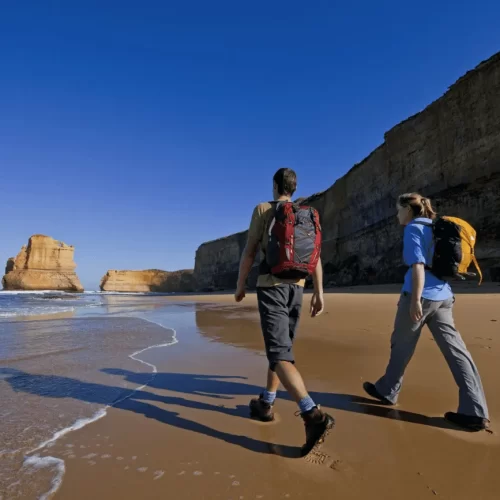
Your adventure starts at Bells Beach situated near Torquay city which then leads to the world-renowned surf spot. This beach boasts some of the most powerful waves in the world and has been host to several international surfing competitions. Along with cliffs along the coast, these views are amazing with vast Southern Ocean extending far beyond what human eye can see. Once leaving Bells Beach towards your destination – Torquay, you will pass through lush green landscapes and hills rolling around by deep blue colored sea.
As a bustling seaside town, Torquay has a vibrant surf culture. Here one can explore local surf shops or take a leisurely walk along cafes and galleries overlooking picturesque coastline among others. From here also one can access various tourist destinations such as Surf Coast Walk where wildlife watching opportunities come coupled with fantastic views along the coast from elevated paths.
Places you'll see

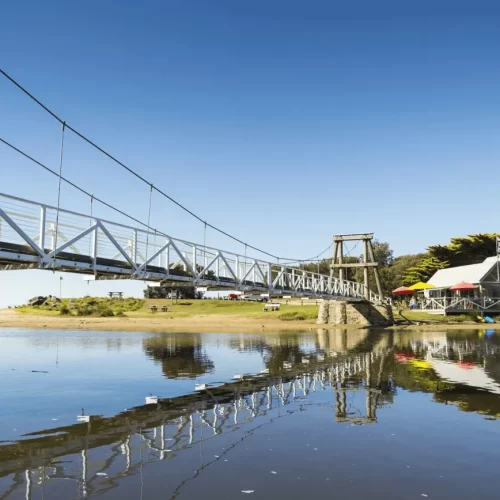
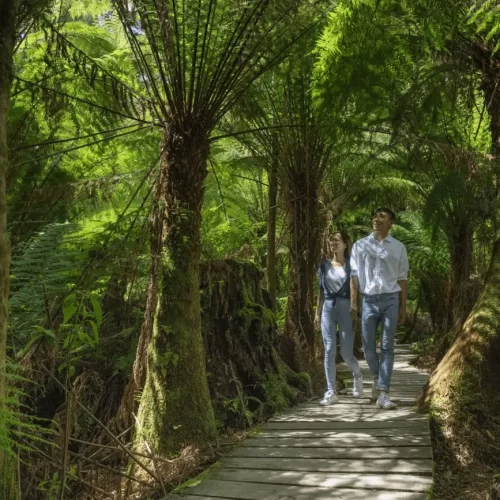
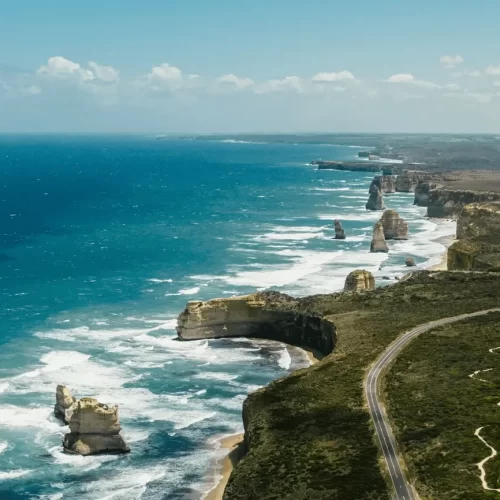
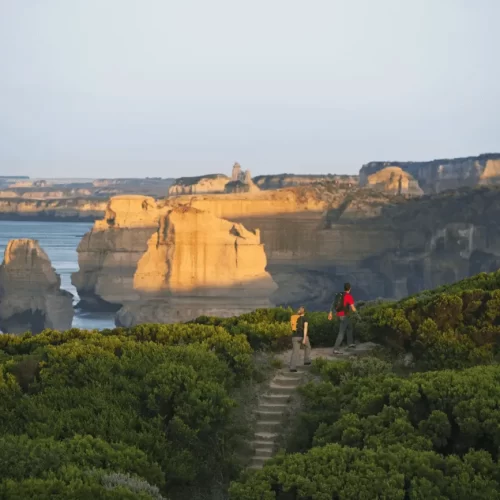



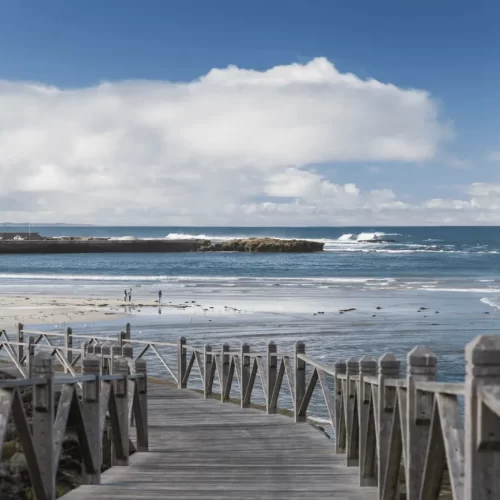
Anglesea to Lorne: Coastal Charm and Pristine Beaches
Continuing along Great Ocean Road brings us to Anglesea; a lovely town famous for its family-friendly beaches and outdoor activities. Everything from kayaking on Angle sea river to hiking through surrounding bushland can be found there since nature lovers’ paradise exists in Anglesea town in Australia’s Victoria province too.The town also has surfing beaches suitable for both beginners and experienced surfers, while the calm river waters are great for swimming and paddleboarding.
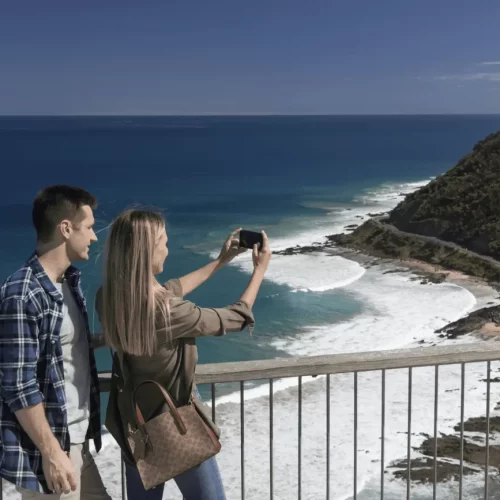
Further on, the road starts to stick to coastline closer revealing cliffs that are dramatic and wide ocean panoramas. Split Point Lighthouse in Aireys inlet is passed before you get to Lorne. Being a very popular stop along Great Ocean Road, this town combines both natural beauty and cultural heritage. The fall of water over 30 meters into a green fern-filled valley makes Erskine Falls an attraction that cannot be missed in nearby Otway Ranges where the falls lie. This town also features vibrant arts scenes through galleries, studios or regular events which all celebrate the creativity of this region.
Lorne to Apollo Bay: Gateway to the Otways
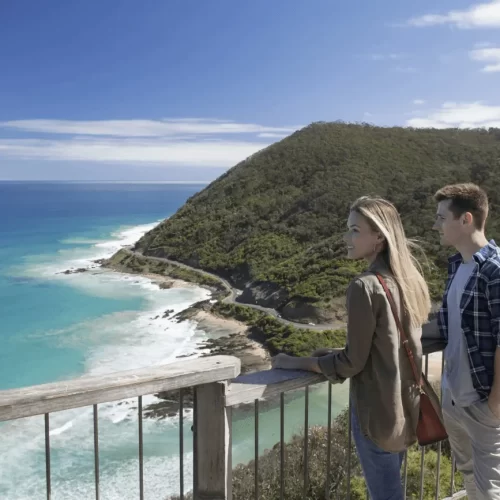
As we leave Lorne, you will note how the dense forests give way to limestone cliffs revealing some of the greatest views on Great Ocean Road. In fact, no other stage on this stretch of the journey lives up to its reputation more than these winding roads, resulting in beautiful sea and coastal landscapes at each bend as well as curves found there. When you reach Apollo Bay, however, the landscape changes, giving way from steep coastlines into rolling hills dotted with lush rainforests.
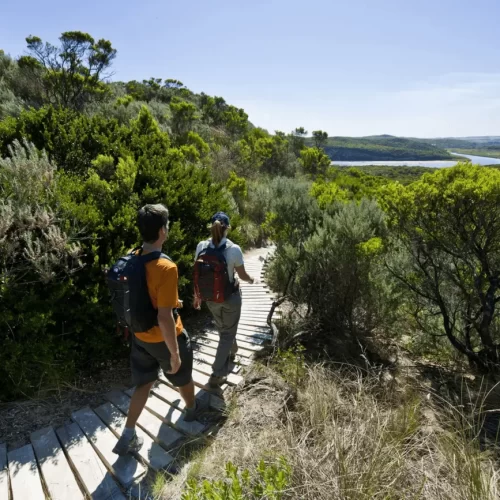
Apollo Bay is often referred to as the gateway to the Otways, and indeed it is. This little town has some of the best natural beauty on earth and it ranges from the flawless coastlines to towering trees as well as cascading waterfalls in Otway Ranges. Specifically, Apollo Bay offers a great launching pad for visiting places like Hopetoun Falls, Beauchamp Falls, Sheoak Falls and Henderson Falls, all of which have their own unique features. Those who want a different perspective of coastal views within this region should try Great Ocean Walk which is an unforgettable multi-day hiking experience.
The Otway Ranges: Beauty in its Purest Form
Any trip along the Great Ocean Road would be incomplete without featuring The Otway Ranges. The area covers vast tracts of ancient forests, cascading waterfalls and rich wildlife; making it ideal for people who are into outdoor activities. Located at the southernmost point of these ranges is Cape Otway which harbors Australia’s oldest lighthouse known as Cape Otway Lightstation. It provides a panoramic view of rough coastal lines as well as insights into maritime history.
Similarly, there are several magnificent waterfalls in the Otways. Among them Hopetoun Falls is one with a drop of 30 meters dramatically plunging into a fern-lined pool below. The nearby Beauchamp Falls and Sheoak Falls are also breathtakingly beautiful each having its own special delightfulness about it. On the other hand, Henderson falls and Phantom falls cater for those who prefer more private moments in nature.
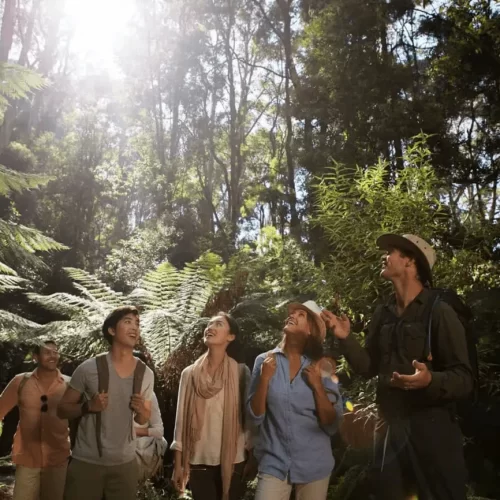
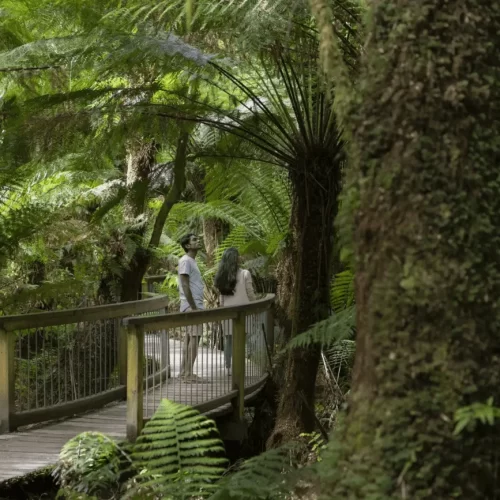
The region’s rainforests are comprised of towering trees, dense green ferns and abundant wildlife, including koalas, kangaroos as well as various bird species, among others. There are also many well-kept walking paths and bike trails throughout The Otways that allow visitors to explore on their own terms when time permits them. Consequently, much of it is covered by the Great Otway National Park, which is a protected area that showcases the natural beauty and biodiversity of this unique landscape.
The Twelve Apostles: Nature’s Work of Art
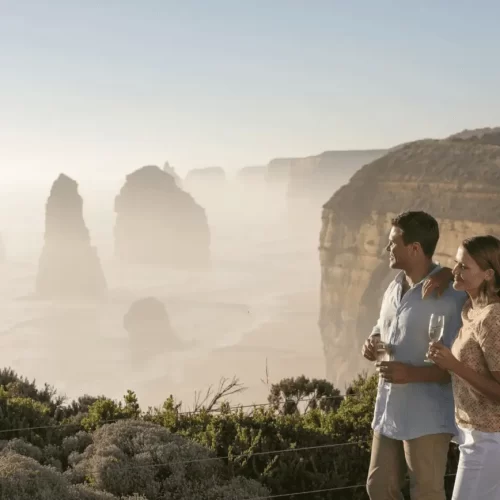
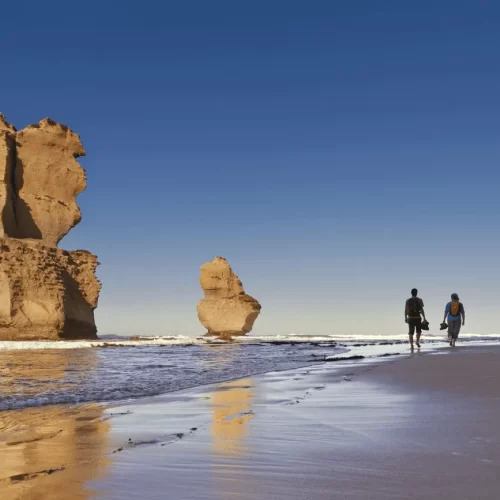
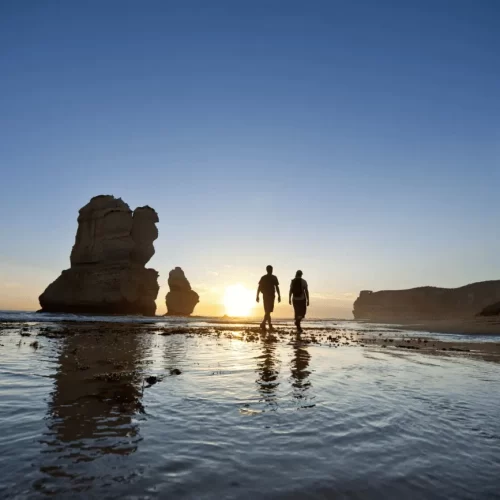
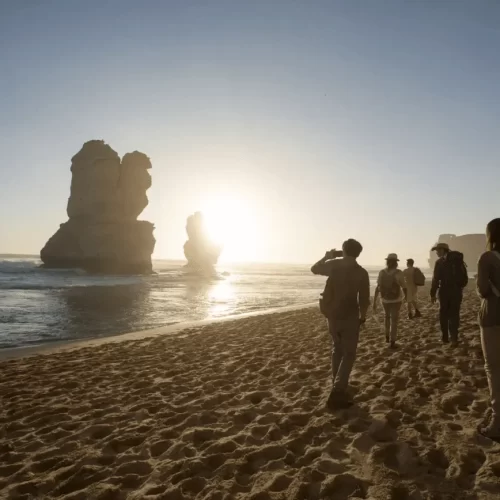
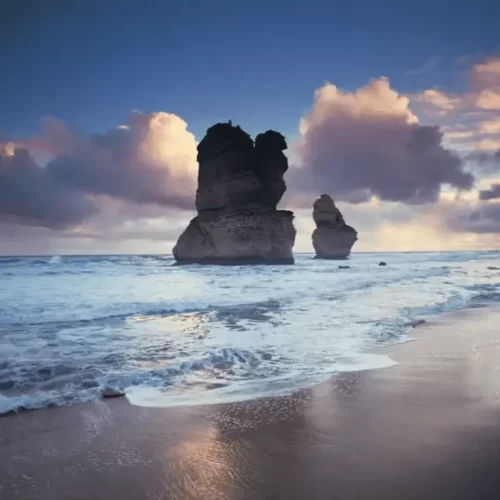
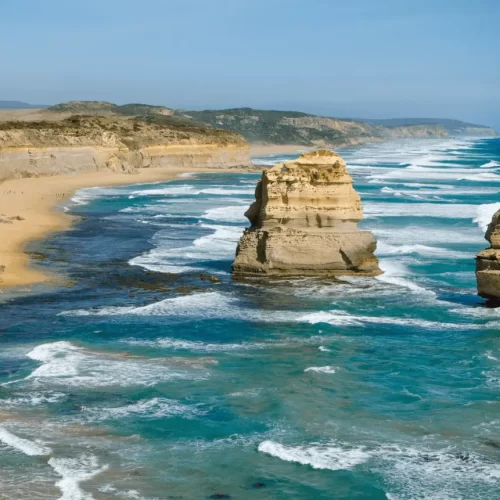
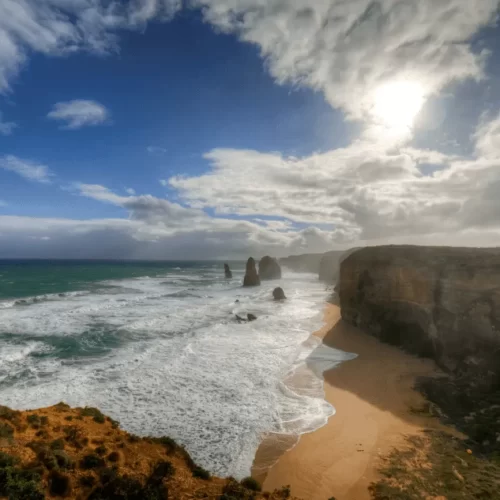
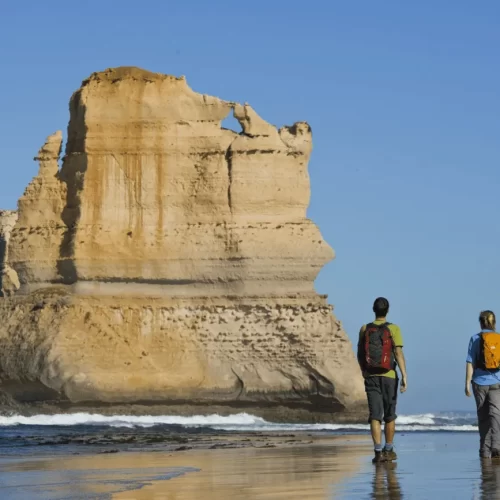
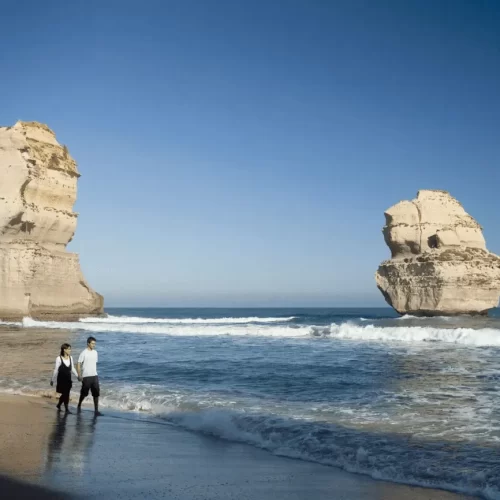
It’s not possible to travel along the Great Ocean Road without visiting the Twelve Apostles. The eight famous limestone stacks standing in the ocean’s Southern Ocean are a vivid example of the power of nature over time. They have been eroded for many years by cliffs, making it an ever-changing environment with some collapsing and new ones forming later.
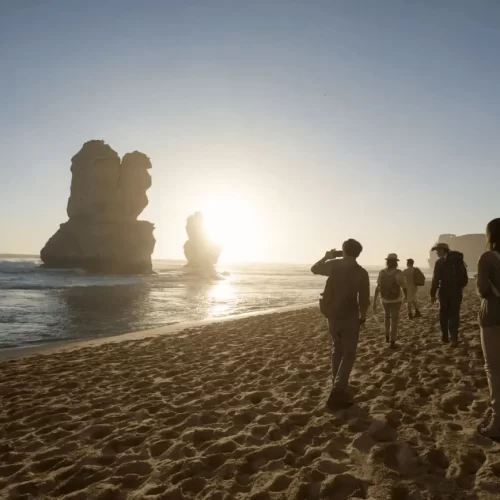
For instance, the best times to visit these stacks are at dawn or dusk when soft light bathes them in a golden hue, creating one magical scene. Additionally, looking down from above them, viewing platforms at The Twelves provide sightseeing opportunities for seeing the stack themselves and all around them, including their vast ocean background. Besides, helicopter Great Ocean Road Melbourne tours offer a full-extent view of this natural wonder if you want to get even closer.
Beyond the Twelve Apostles: Discovering Port Campbell National Park
Apart from the Twelve Apostles there is much more to experience within Port Campbell National Park. Other impressive rock formations found within this park include Loch Ard Gorge, London Bridge and The Grotto among others each having its own intriguing story that contributes to overall natural and cultural heritage backdrop of this region.
Loch Ard Gorge
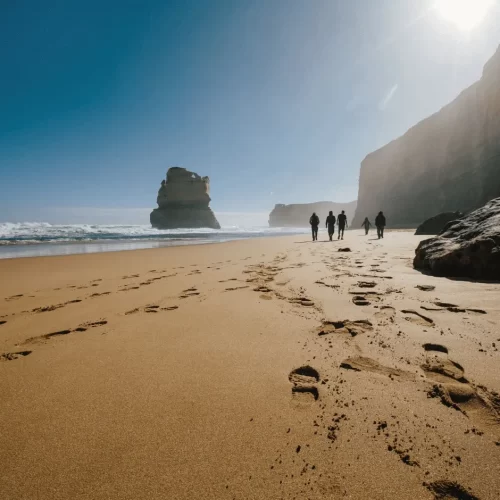
The gorge was named after the famous shipwreck of the Loch Ard and is one of the most beautiful and historically important sites in this area. The cliffs are dramatic, and when combined with the crystal clear waters, they create an extremely beautiful landscape, while the nearby Shipwreck Memorial and Historic Shipwreck Display at Port Campbell give a glimpse into the sad history of this wreck and the lives lived.
London Bridge
The Grotto
Port Campbell National Park
Port Campbell and Beyond: Coastal Towns and Seaside Charm
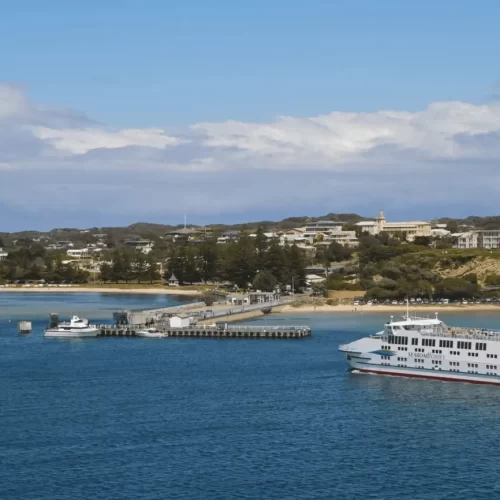
Port Campbell town plays host to various accommodation properties besides being close to restaurants plus shopping centres, hence serving as the ideal departure point to Twelve Apostles or Loch Ard Gorge, among other attractions within the vicinity. Port Campbell is protected by its bay and offers calm water, thus making it ideal for swimming, fishing or kayaking spot, while locally flavoured dishes, including seafood from the nearby ocean, are available at cafes/restaurants around town.
Beyond Port Campbell, the Great Ocean Road continues through several delightful seaside towns, each with its own distinctive character. The town of Peterborough is located slightly west of Port Campbell and is a more peaceful alternative to the busier hotspots of the area. Onwards from there, Warrnambool serves as a thriving regional centre with a rich historical background and a lively arts community. Indeed, it is during winter that this particular coast is famous for whale watching, where Southern Right Whales are usually witnessed in this region.
The Cultural Heritage of the Great Ocean Road
Travelling along the Great Ocean Road is not only about beautiful landscapes but also offers insights into the cultural heritage of Eastern Maar and Gunditjmara peoples. This region has been home to Indigenous communities for thousands of years, and their ties to the land are evident in various cultural sites and stories in the landscape.
The Eastern Maar and Gunditjmara peoples have a deep spiritual bond with the land, which is depicted in its natural features such as rock formations, waterfalls, and coastal landscapes. This shows that their cultural heritage is ingrained in the land. At the Great Ocean Road, reconciliation happens, and efforts to create lasting relationships and bring about equality among Indigenous communities are seen.
When visiting the area, one should discover more about the cultural heritage of the Eastern Maar and Gunditjmara people and the values associated with their land’s past. Cultural centres give tourists opportunities to know more about other people’s customs while guided 12 Apostles tour or cultural experiences give insights into Indigenous history, their pasts rich with events.
FAQs
How long does the Great Ocean Road drive take?
Can I cycle the Great Ocean Road?
Are guided tours available?
Yes, various guided tours provide immersive experiences and handle your planning.