
Most people think going solar is just about cutting the power bill. In reality, What To Know About Home Solar goes way deeper — it’s about how your roof, the sun and a bit of clever solar technology can change how your household runs. Across Melbourne, more and more homeowners are seeing how rooftop solar and battery storage systems deliver savings and energy independence. So let’s get straight to it and talk about how solar power works, why it’s worth the fuss and how to keep your system running like a well-oiled ute.
Contents
How Solar Power Actually Works
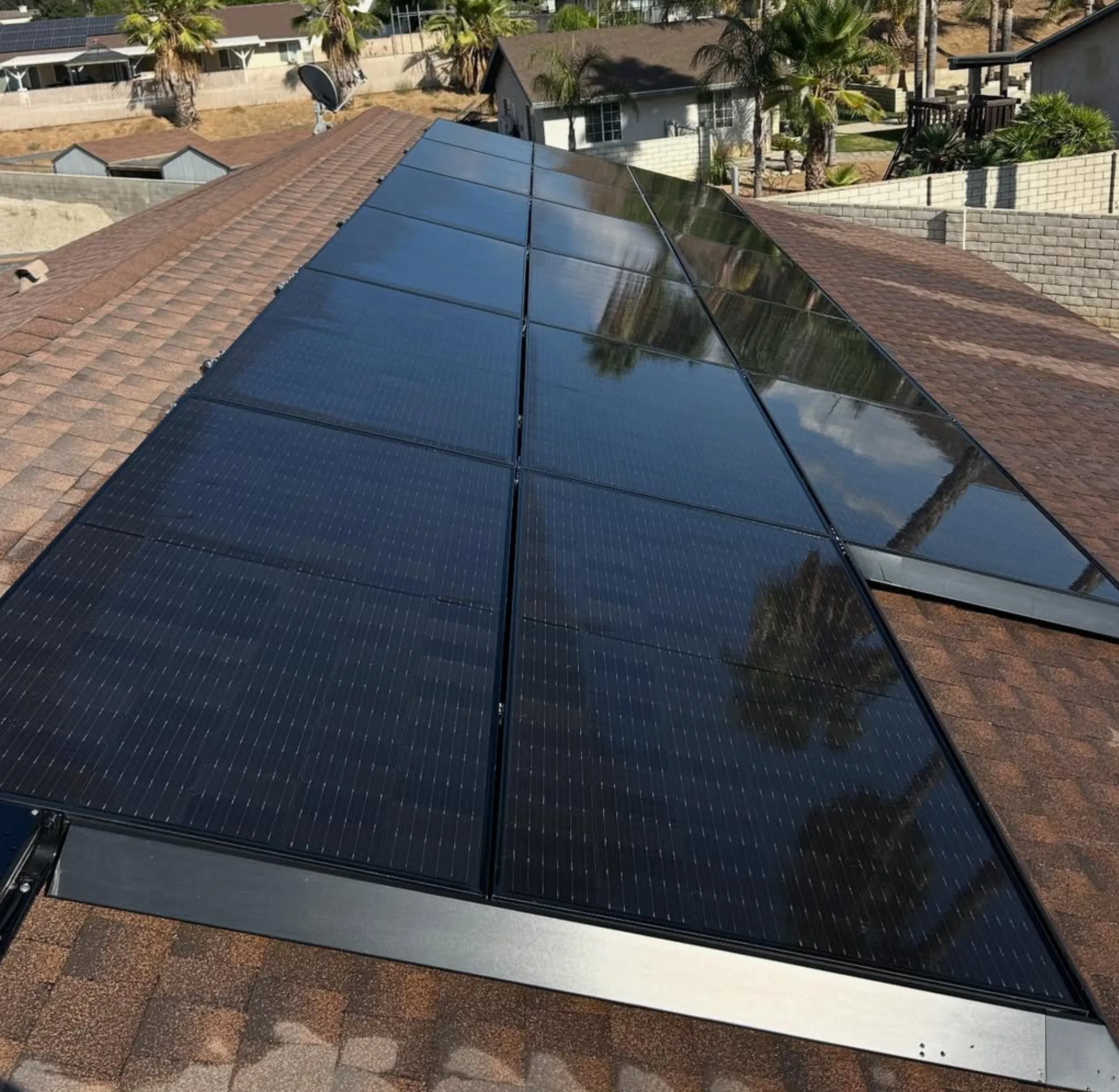
At its heart, a solar panel system isn’t complicated — it’s science doing its job. Solar panels capture sunlight using photovoltaic cells, converting it into direct current (DC) electricity. The system’s solar inverter then converts it to alternating current (AC) — the type that powers your fridge, air con and TV.
When you have a well-planned solar installation in Melbourne, your solar power system can feed excess energy back to the grid through net metering. That earns you a feed-in-tariff from your electricity retailer, offsetting your electricity costs. Think of it as sharing your sunshine with the neighbourhood and getting a bit of credit back for your effort.
According to the Clean Energy Council, more than 3.6 million Australian households now rely on renewable energy through rooftop solar, supported by the Small-scale Renewable Energy Scheme. It’s clear Australians are embracing solar energy generation as a long-term investment, not just a quick fix.
More Than Just Cutting Costs
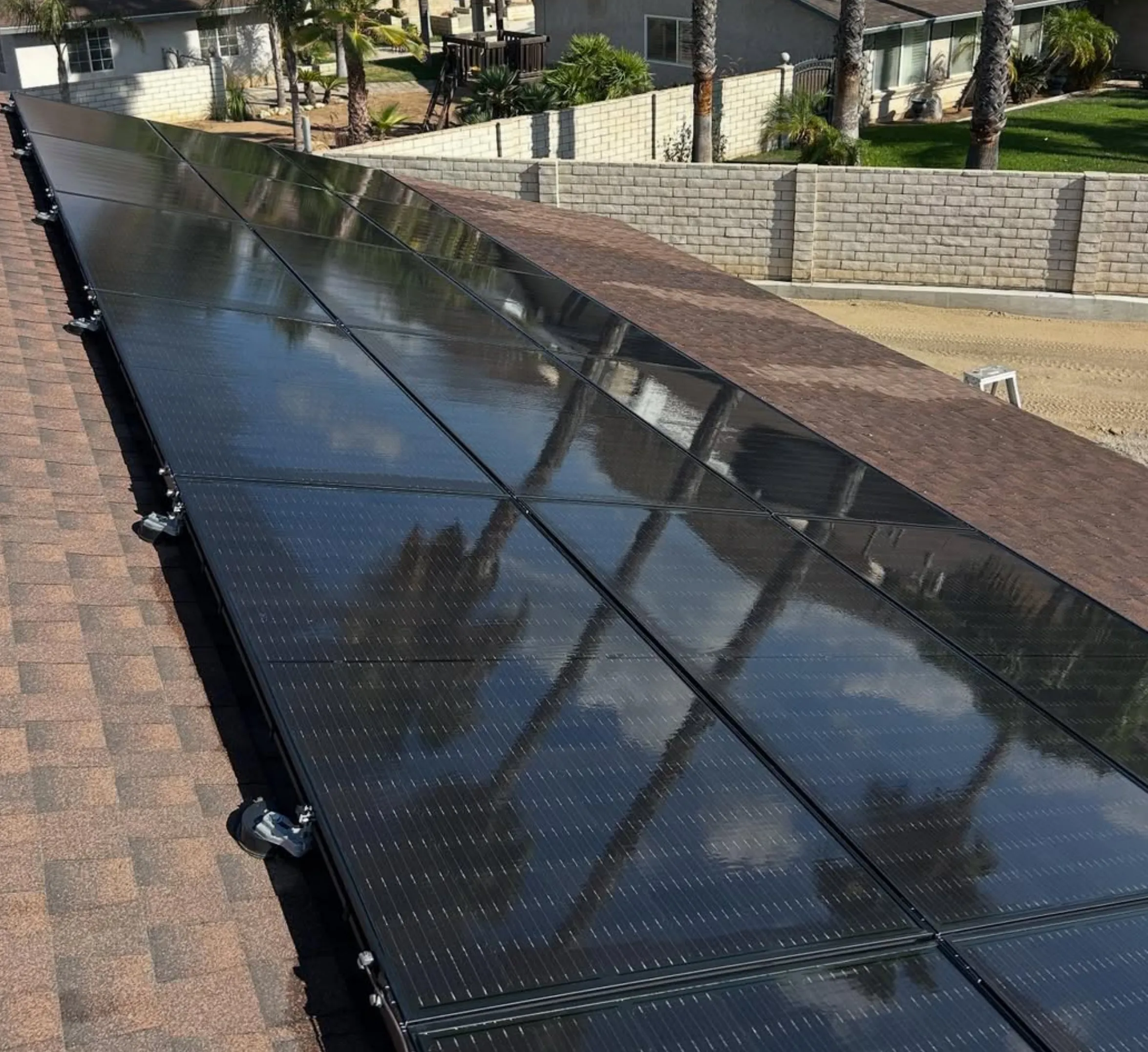
Yes, cutting your bill is a win, but a good solar system brings bigger benefits. Solar adds value to your property, reduces your carbon footprint and helps you avoid energy price hikes. During the 2023 energy crisis, households with batteries and smart apps were ahead of the game while their neighbours were getting big bills.
You’ll also feel the freedom of energy independence. With a battery system, your home can store excess solar for nighttime or backup during Melbourne’s wild storms. If your system has solar hot water or electric hot water units, you’ll save even more by heating water with your own power.
And yes — seeing your bills drop never gets old.
How Big Is The Right System For Your Home
Choosing the right size is like choosing the right ladder — too small and you’ll fall short; too big and you’re wasting money. Energy usage, roof type and plans like an electric vehicle or battery upgrade.
| Household Type | Avg. Daily Use (kWh) | Recommended System Size |
| 1–2 People (Unit/Small Home) | 10–15 kWh | 3–4 kW System |
| 3–4 People (Average Family) | 20–25 kWh | 5–6.6 kW System |
| Large Family / EV or Pool | 30+ kWh | 8–10 kW+ System |
Pro Tip – Your Roof’s Direction Matters: if your roof faces in multiple directions, consider installing micro-inverters. They let each panel do its own thing, which means if one is in the shade, the whole bunch won’t be dragged down by it.
Stay Clean, Run Better
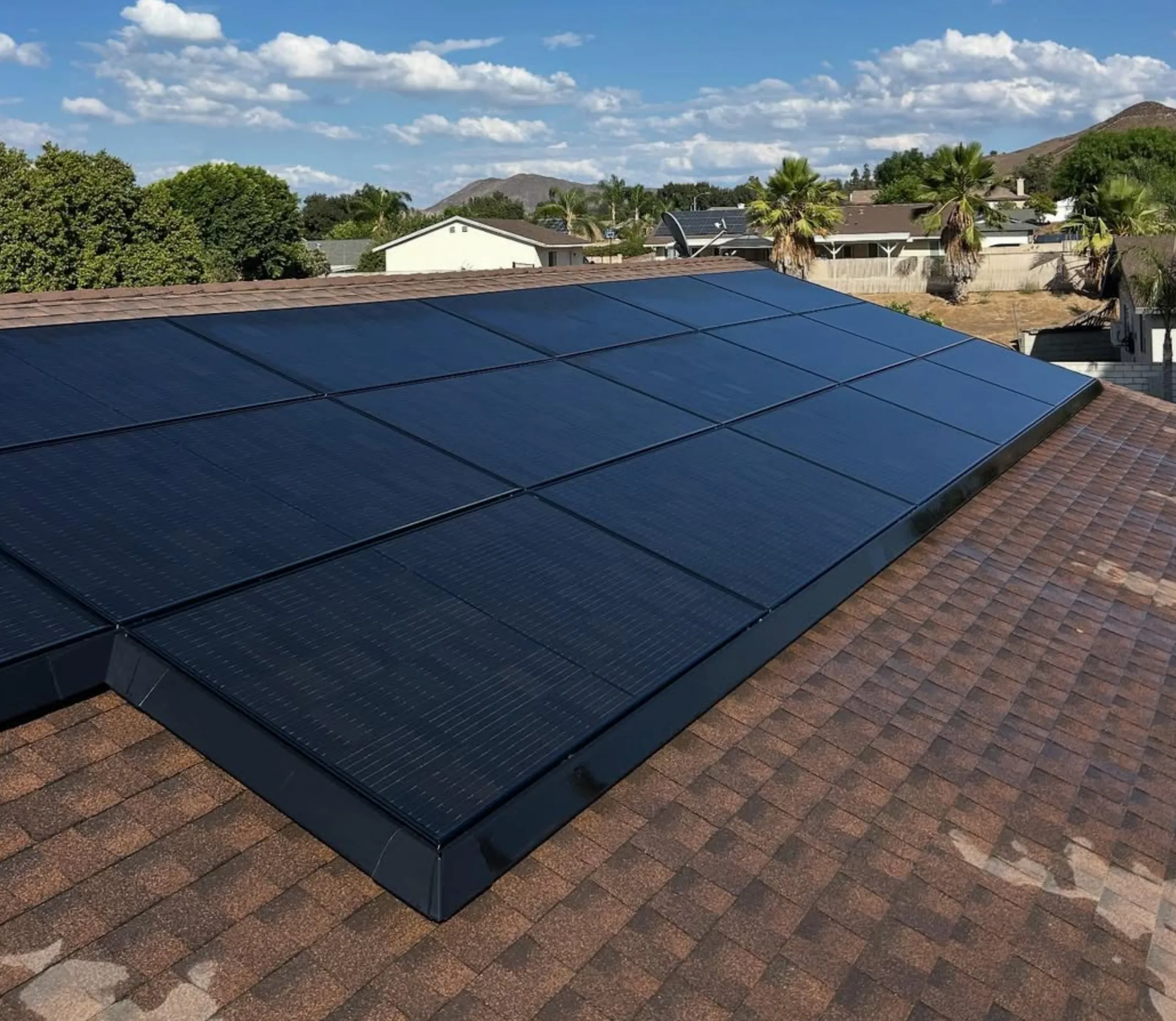
Dust, bird droppings, and pollen can knock your solar energy output down by up to 20%. Regular cleaning will get those panels running smoothly & keep your performance warranty intact.
We reckon you should:
- Give your panels a good look-over at least twice a year, after the dust of summer and the rain of winter.
- Don’t even think about using a pressure washer; they can damage the seals or wiring on your panels.
- Use some de-ionised water and a soft brush when you do clean them – that way you avoid scratching the glass.
- If you’ve got a steep roof or a multi-storey house, get a pro in to clean your solar panels – they’ve got the gear and the know-how to do it safely.
We get a lot of calls here in Melbourne for Solar panel cleaning in Auburn, because of all that salt from the beach. If you live near the coast, you’ll want to clean your panels more often to prevent salt from eating away at the glass surface.
If the thought of climbing on the roof isn’t for you, then hire a professional – they’ve got the right gear, and they know how to keep themselves safe on those slippery panels.
At Window Cleaning Melbourne Crew, we might be well known for making glass sparkle, but we’re also pretty passionate about doing renewable energy the right way.
Debunking Common Myths About Home Solar
We’ve heard it all before in the solar industry, and 9 times out of 10, it’s just not true.
Myth 1: Solar Only Works During Summer
That one’s a real doozy, but the reality is solar panels generate power all year round. Even down here in Melbourne, the cool winters can work in your favour, as lower temperatures mean your panels perform better.
Myth 2: You Need A Battery To Go Solar
Not even close. Batteries are optional, and many people choose not to get one. Without one, your solar power system will still power your home, and you’ll earn feed-in tariffs for all that excess energy you send back to the grid.
Myth 3: Solar Panels Don’t Last Long
Actually, quality brands have been tested by BloombergNEF and PV Evolution Labs and have been shown to perform for 25 years or more. Plus, they come with a solid product warranty to back that up.
Myth 4: Solar Is Too Expensive
With all the rebates, interest-free loans and small-scale tech certificates (STCs) that are available under the federal scheme, the upfront cost of installing solar has dropped dramatically.
Myth 5: Maintenance Is Costly
Actually, solar panels are pretty low maintenance. Apart from the odd cleaning and inspection, they’re not really going to need much TLC. Just a once-a-year check is all you really need to make sure they’re working at their best.
FAQ
How Much Sunlight Does Melbourne Need For Rooftop Solar?
Well, Melbourne gets about 4.2 peak sun hours a day, which is perfect for solar energy. Even on a bit of a cloudy day, your solar panels will still be working pretty well.
Are Solar Batteries Worth It?
Yes, if you want to use the energy you generate at night or achieve real independence from the grid, a solar battery storage system is well worth considering.
What Incentives Or Rebates Are On Offer For Victorian Homeowners?
If you live in Victoria and you’re eligible, you can get rebates of up to $1,400 for solar panel installation, plus interest-free loans — courtesy of Solar Victoria. And that’s on top of the federal government’s STC incentives.
How Often Do I Need To Clean My Solar Panels?
Twice a year is pretty much all you need to do. Of course, if you live near the coast, you might need to clean your panels a bit more often due to salt corrosion, and always make sure any installer you use follows Australian standards.
How Can I Keep Track Of My Energy Production?
Just use your solar monitoring app or consumption monitor to see how much power your solar panels are producing in real time, how much you’re saving, and how much feed-in tariff you’re earning.