
We take a look at how to permanently waterproof concrete. – all the dodgy driveways, leaky basements, frightening balconies, and poor as daisies DIY slabs that spring to mind.
Before we get stuck into the how-to, there’s one thing every tradie knows like the back of their hand: concrete isn’t waterproof on its own, no matter what. It soaks up water like a champion after a big game. If you want absolute waterproofing that’ll last the distance, you need the right gear, some decent prep, and the right conditions – or that slab will end up with cracks, flaking, or just sopping up water like a Weet-Bix that’s been left out too long. And the consequences of that over time? Moisture can cause reinforcing steel to rot, the concrete to break down, and structural problems.
Contents
- 1 Why Hard Surfaces Need Water Barriers
- 2 Key Methods to Keep Surfaces Water-Resistant
- 3 Comparison Table
- 4 The Method We Trust To Get The Job Done
- 5 Why Penetrating Sealers Are The Only Real ‘Permanent’ Option
- 6 Common Problems We See Around Melbourne
- 7 Choosing The Right Product For Your Surface
- 8 Checklist: Signs Your Slab Needs Moisture Protection ASAP
- 9 FAQ
Why Hard Surfaces Need Water Barriers
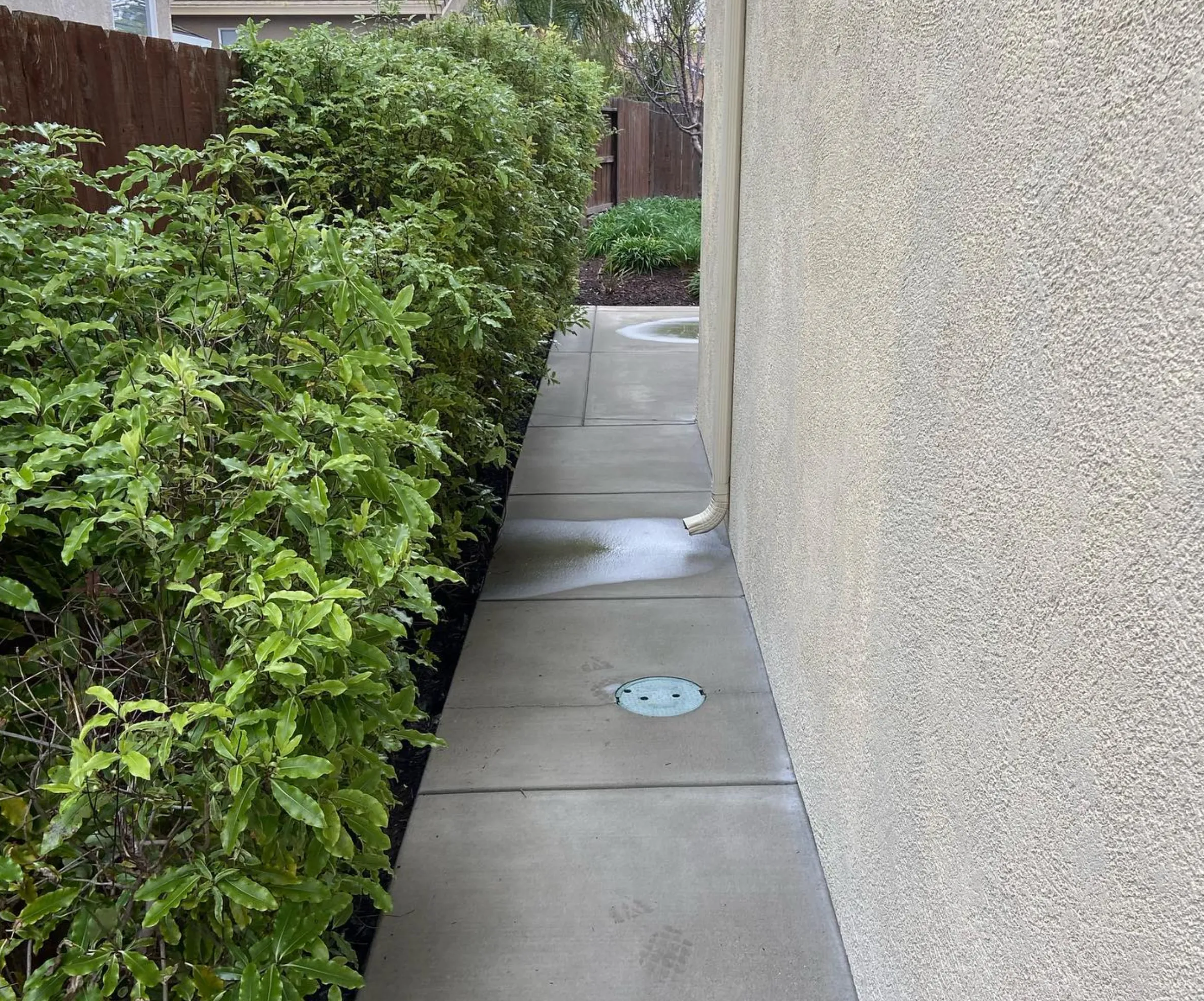
Concrete may feel solid under your feet, but it’s hiding all sorts of tiny pores that make for a kind of capillary pore system. Water gets in, expands during cold snaps, reacts with the minerals, increases pressure, and slowly breaks down the slab. That’s why you see all sorts of trouble in homes all over Melbourne, particularly in winter – concrete cancer, big cracks, mould and mildew popping up everywhere.
Homeowners often think the rain sits on top, but no moisture actually gets in, pushing through that crystalline structure like a mosquito through a screen door that’s come loose. And in the coastal suburbs? Salt just makes it worse. It’ll chew through slabs faster than you’d believe and speed up all sorts of wear and tear.
Waterproofing isn’t just about keeping the surface dry – it’s about creating a waterproof barrier that protects the slab from the inside out, extends the life of the job, and prevents moisture from rising above ground floor level before it causes more damage or eats away at the tile adhesive in wet areas.
Key Methods to Keep Surfaces Water-Resistant
Every now and then, someone will ask, “Can I just slap a waterproofing layer on top and be done with it?”
The short answer is, technically, yes, you can.
The long answer is, probably not, and definitely not if water is already seeping into the slab.
Here’s how we categorise them on our jobs:
Penetrating Sealers (Silane, Siloxane, Silicate)
These are the go-to guys for long-term protection. They work from the inside out, by the way – they don’t just sit on the surface, they actually react with the concrete, plugging the pores using some super tiny chemicals and silicate chemistry. That creates a pretty solid barrier against water and chemicals.
They’re ideal for:
- Your driveway
- A path down to your garden
- The car park
- Exposed aggregate
- Industrial floors
The good news is they don’t change the concrete’s look either.
Acrylic Sealers
Good for just a quick gloss-up, bringing out the colours and a bit of shine – just don’t expect it to last forever. They break down pretty quickly under UV light and won’t stop water from coming in from underneath.
Epoxy or Polyurethane Coatings
These create a super-tough, glossy coating with some great properties – they’re tough to damage and resistant to acids, but the downside is they’re not breathable, so if you get moisture trapped underneath, they could fail.
Membranes
The membranes – including waterproofing, liquid-applied, and surface-applied membranes – are pretty flexible and great for wet areas, such as balconies, planter boxes, and retaining walls. But they only work if you get the application and installation just right.
Comparison Table
| Waterproofing Type | Lifespan (Avg) | Best Use Case | Strengths | Limitations |
|---|---|---|---|---|
| Penetrating Sealer (Silane-Siloxane) | 10–20 years | Driveways, paths, and exposed concrete | Longest protection, UV stable | Doesn’t give a glossy look |
| Silicate Densifiers | Permanent | Industrial floors | Hardens surface internally | Not water-repellent unless combined |
| Acrylic Sealer | 2–4 years | Decorative, coloured concrete | Enhances colour | Needs frequent re-sealing |
| Epoxy Coating | 5–10 years | Garages, warehouses | Extremely tough | Not UV-stable |
| Polyurethane Membrane | 10+ years | Basements, balconies | Flexible, great for movement | Needs exact installation |
The Method We Trust To Get The Job Done
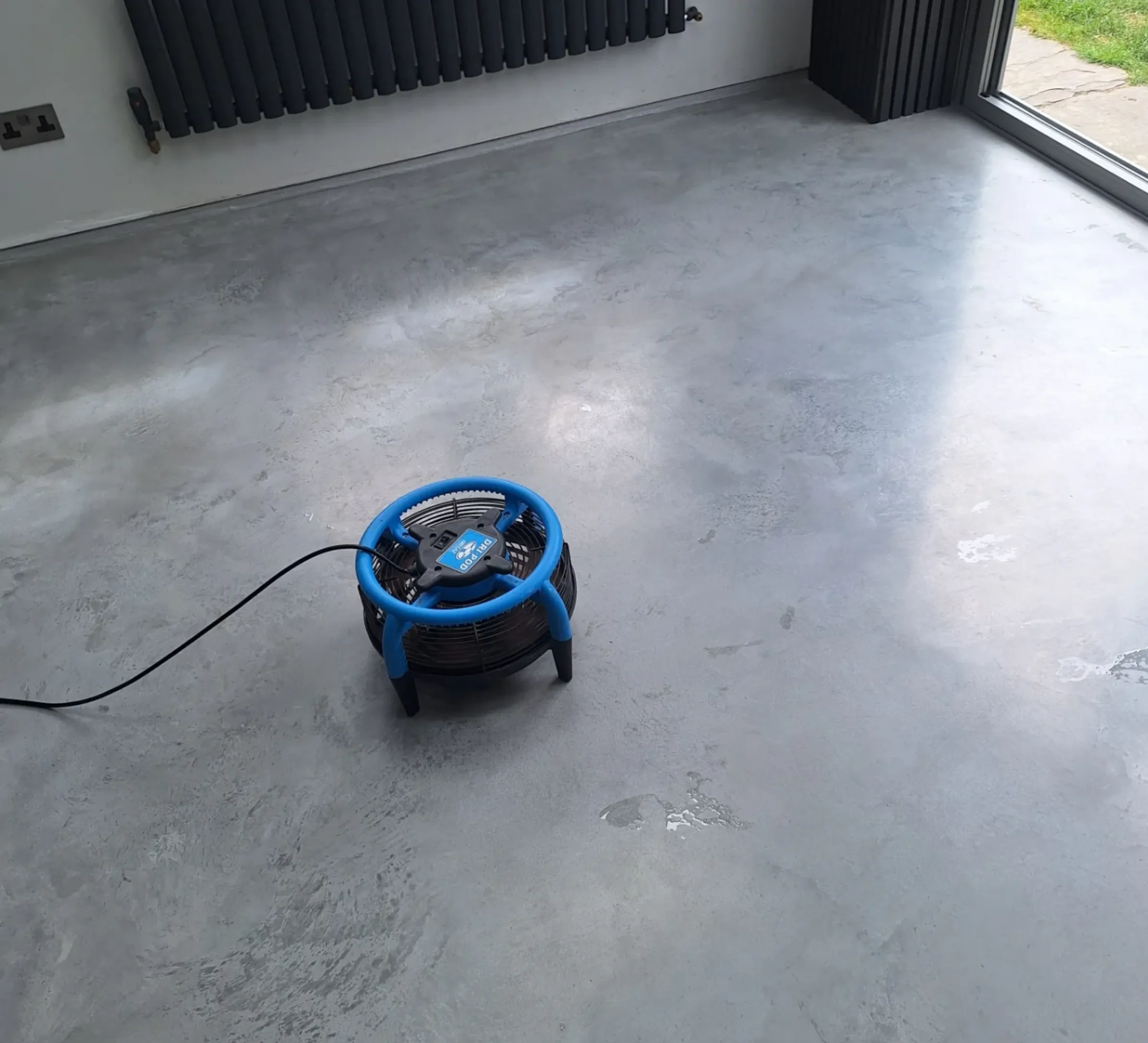
Waterproofing concrete for good isn’t some magic trick – it’s all about doing the right steps. We’ve been using the same system on garages, balconies, precast panels and industrial slabs all around Melbourne for ages now.
Step 1: Give That Surface The Real Clean It Needs
We see way too many waterproofing jobs fail because someone glosses over the cleaning step or gives the surface a quick hosing off. Not good enough – you need to give it a good blast to get all the dirt and grime out of the way.
At Window Cleaning Melbourne Crew, we give the surface a real going-over to make sure it’s squeaky clean, including:
- All the dirt and grime that’s accumulated
- Any oils that might be lingering
- Efflorescence – that white salt stuff that comes to the surface
- Any old sealer that’s still hanging around
- Lichen and algae – those pesky green gooey bits
- And any loose particles that are floating around
You want your concrete to be as good as new – bright and free of any nasties. When you slap a surface-applied coating or concrete repair product on it, it only works properly if the substrate is clean and clear.
Step 2: Check The Moisture Levels
Getting the moisture levels right is super important when you’re putting a sealer or membrane on concrete. Melbourne’s humidity can play all sorts of tricks on you – especially in the winter months. We tell our clients to aim for a good 24 to 48 hours of dry weather, depending on how long the concrete’s had to cure and whether the pour before that got the proper water pond curing.
Step 3: Get A Good Penetrating Sealer On There
For real permanent waterproofing, you can’t go past a good old-fashioned silane-siloxane, silicate or nano-based penetrating saturant. These penetrate deeply into the slab and form a crystal core within the concrete, blocking the entire capillary pore system.
Most of them are:
- Not going to flake off
- Not going to peel off
- Don’t need any recoating
- UV resistant
- Salt and chemically resistant
- And they work just as well on the inside as they do on the outside
That’s why all the commercial car parks, council footpaths and water tanks use them. They’re the real deal.
Step 4: Let It Do Its Thing
Most penetrating sealers take a good 24 to 72 hours to do their thing. While that’s happening, the slab’s forming internal crystals and hydrophobic barriers inside the concrete. Once it’s all set, water will just bead right off the surface. Some systems use hydrogel admixtures or nanoscale additives to improve the hardened properties of concrete.
Step 5: Give It A Bit Of TLC Every Now & Then
Permanent waterproofing doesn’t mean you get to forget about it and leave it to its own devices. Regular cleaning prevents dirt and grime from clogging pores and affecting surface tension.
Why Penetrating Sealers Are The Only Real ‘Permanent’ Option
Acrylics are doomed to flake. Epoxy coatings will develop that nasty yellow discolouration. And membranes? Forget about it – they’ll tear under even the slightest movement or worst-case winter freeze-thaw stuff. But penetrating sealers? They penetrate the concrete itself and form a strong bond.
The experts all agree – engineers, builders, concrete manufacturers, and even the councils – and for good reason: they dramatically extend the lifespan of your concrete with minimal maintenance, and many even come with long-term performance warranties.
Suppose you’re after a long-term waterproofing solution with a bit of visual flair. In that case, we might just slap a decorative acrylic over a penetrating sealer – and that way you get to enjoy beauty on the surface and durability inside.
Common Problems We See Around Melbourne
Here are a few of the common problems we get to deal with:
- Peeling Balcony Sealers
It’s usually a case of trapped moisture under the tiles. Winter rains & hydrostatic pressure just push through the grout lines, causing bubbling – no fun. - Driveway Flaking After Just Two Summers
Cheap acrylics just aren’t up to the task. Either they melt under UV at some point, or were applied to damp concrete in the first place. - Efflorescence Nightmare
This is just another word for rising moisture that brings salt to the surface. The only solution that actually stops this permanently is a proper pore-blocking system. - Mould On Outdoor Concrete – Yuck!
It’s a Melbourne thing, particularly in shaded backyards. Waterproofing definitely helps, but even then, airflow still matters.
Choosing The Right Product For Your Surface
After a decade or so of doing this job, we’ve narrowed it down to:
- Driveways: Silane-siloxane penetrating sealer – the go-to choice
- Garages: Epoxy or polyurethane coatings – they work well
- Balconies: Waterproofing membrane + penetrating sealer combo
- Industrial floors: A silicate densifier + a good coat of something on top
- Decorative concrete: Just the penetrating sealer, with an optional acrylic for visual touch-ups
At Window Cleaning Melbourne Crew, we get asked all the time how to seal concrete after pressure washing – and our honest answer is always: “Give it a good clean and apply the right penetrating sealer once it’s bone dry and ready to absorb the good stuff”.
Checklist: Signs Your Slab Needs Moisture Protection ASAP
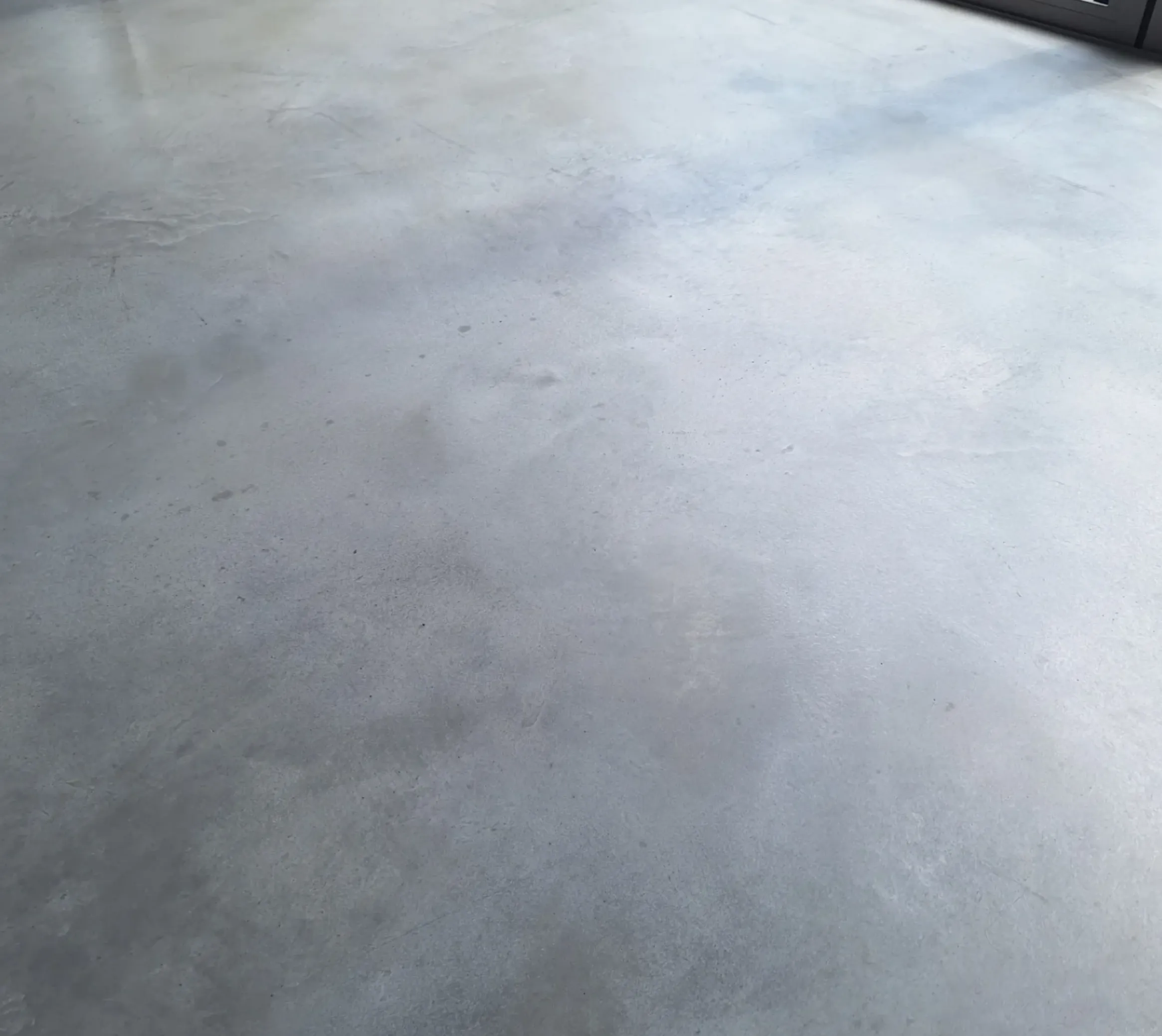
- Any dark patches that stick around even after rain
- That powdery white residue
- Flaking or chalky bits on the surface
- Musty smells
- Watermarks on the walls
- Visible mould growth
- Surface softening
- Cracks that seem to be getting wider after a bit of rain
If you’re ticking off two or more, it’s pretty clear your concrete is taking in moisture.
FAQ
Does a seal really make concrete totally waterproof?
The truth is – no, it won’t. Penetrating sealers make concrete highly water-resistant by blocking pores, but no product makes a slab 100% waterproof under all weather conditions.
How long does a good penetrating sealer last?
Anywhere from 10-20 years, depending on the environment, product chemistry & the mix of the concrete itself.
Can you still waterproof old concrete?
Absolutely – if you give it a good clean first. We’ve achieved great results with the proper treatment of 40-year-old slabs.
Does sealing stop mould growth?
It definitely helps by reducing moisture movement, but shaded areas will still need some TLC to keep things in check.
Are acrylic sealers ever permanent?
Sorry, no. They’re just for looks – if you want long-term protection, you need a penetrating sealer or a membrane system.